Ceylon vs. Cassia: A Field Guide to True Cinnamon
Two spices, two trees, one shelf. How to tell real Ceylon quills from cassia bark before you cook with them.
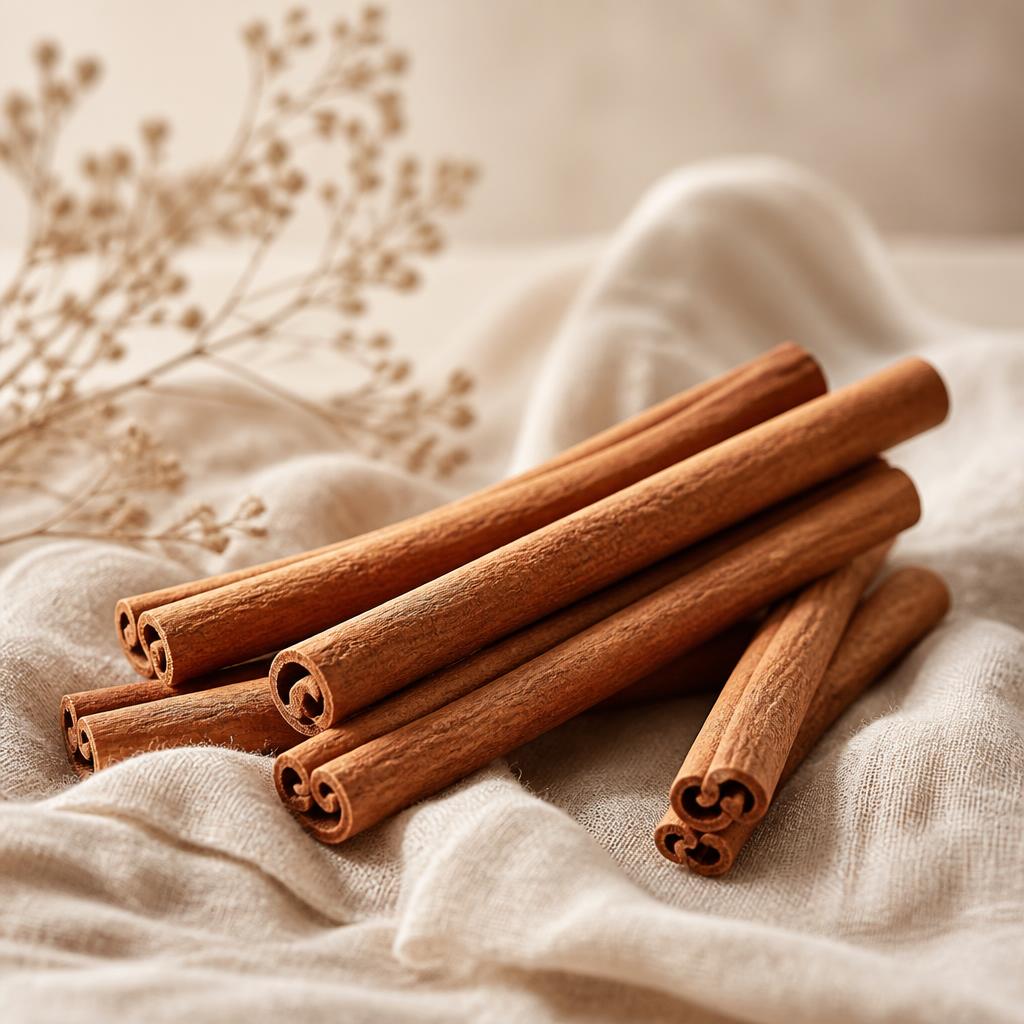
Most cinnamon sold worldwide is not cinnamon in the botanical sense. It is cassia — the bark of several Cinnamomum species grown for volume, colour and heat. True cinnamon, Cinnamomum verum, comes almost entirely from Sri Lanka and behaves quite differently in the pan.
Read the quill
A Ceylon quill is built, not curled. Peelers shave the inner bark and layer it by hand into a cigar of many thin sheets that crumbles under a spoon. Cassia arrives as one thick, hard scroll that resists everything short of a grinder.
- Ceylon: pale tan, papery layers, snaps easily.
- Cassia: red-brown, single thick curl, woody.
- Ceylon aroma: citrus, floral, delicate sweetness.
- Cassia aroma: hot, blunt, almost medicinal.
Why the difference matters in cooking
Ceylon dissolves its flavour gently into milk, syrup and rice. Cassia dominates. In a delicate kiri hodi or a rice pudding, cassia flattens everything around it; Ceylon lifts it. Neither is wrong — but a recipe written for one rarely works with the other at the same quantity.
If the quill shatters when you press it, you are holding Ceylon.
Coumarin is the other well-known distinction: cassia carries substantially more, Ceylon only traces. That is a matter of routine high intake rather than the occasional quill in your tea, and it is a food-composition fact, not a health claim.
Botanicals in this entry
Organic Ceylon Cinnamon Sticks (C5 / C4 Grade)
Cinnamomum verum